Sommaire
What is a CMR
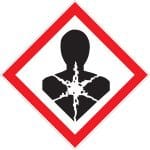
The term CMR designates a product or industrial manufacturing process that releases particles that are carcinogenic, mutagenic or toxic to reproduction. Since June 2015, they must bear the above label.
A CMR is a particle that meets one of the following descriptions:
- Carcinogen: Dangerous chemical agent in its pure state (asbestos, wood dust, benzene, etc.) or in a mixture or process that can cause cancer or increase its frequency.
- Mutagenic or genotoxic: chemical that induces alterations in the structure or number of chromosomes in cells. Chromosomes are the parts of the cell nucleus that carry DNA. The mutagenic effect (or genotoxic damage) is an initial stage in the development of cancer.
- Toxic for reproduction or reprotoxic: chemical product (e.g. lead) which can impair fertility in men or women, or alter the development of the unborn child (spontaneous abortion, malformation, etc.). (Source INRS: CMR chemical agents)
What are CMR products?
The best-known are asbestos, wood dust, nickel, cobalt, cigarette smoke, etc. To date, the list includes over 380 different CMRs.
How do I know if I’m using CMR products?
According to the ministerial order of July 13, 2006, any substance, preparation or process used in :
- Work involving inhalable wood dust
- Work involving exposure to formaldehyde
- Auramine production
- Work involving exposure to polycyclic aromatic hydrocarbons present in soot, tar, pitch, coal smoke or dust
- Work involving exposure to dusts, fumes or mists produced during the roasting and electrorefining of nickel mattes and the manufacture of nickel-based compounds.
- Strong acid processes in isopropyl alcohol production
- Personnel responsible for maintaining work equipment contaminated by CMR agents (art. R. 4412-73)
- Maintenance activities for which a significant increase in exposure is foreseeable (art. R. 4412-75)
- ….
You use a CMR if one or more of the products you use bears the label shown at the top of this page.
Industries concerned
The INRS has drawn up a non-exhaustive, non-hierarchical list of sectors concerned by CMRs:
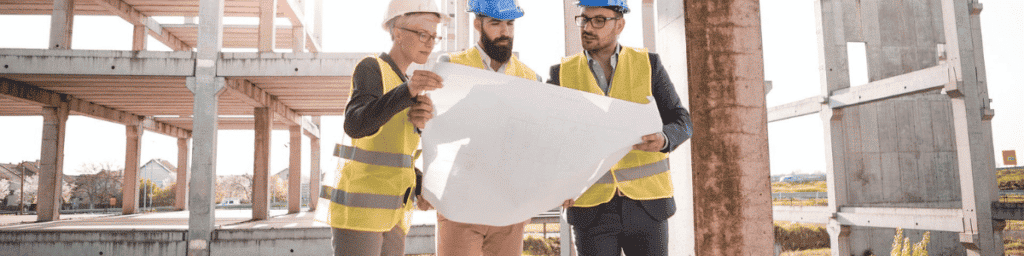
- the building and civil engineering sector
- shipbuilding

- the glass industry

- the chemical industry

- the leather industry

- the oil industry

- agriculture

- railway construction

- metalworking
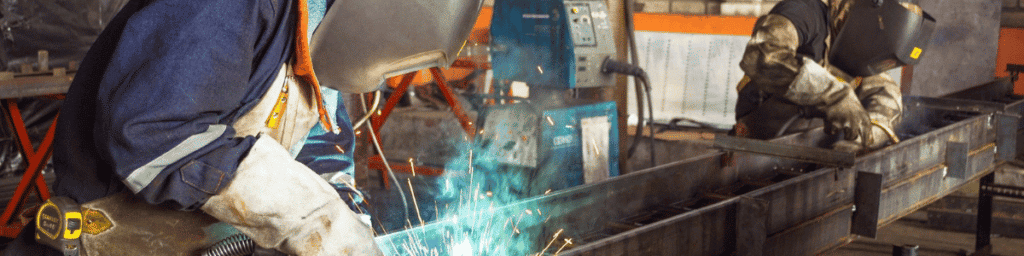
- the metals industry

- the pharmaceutical industry

- the rubber industry

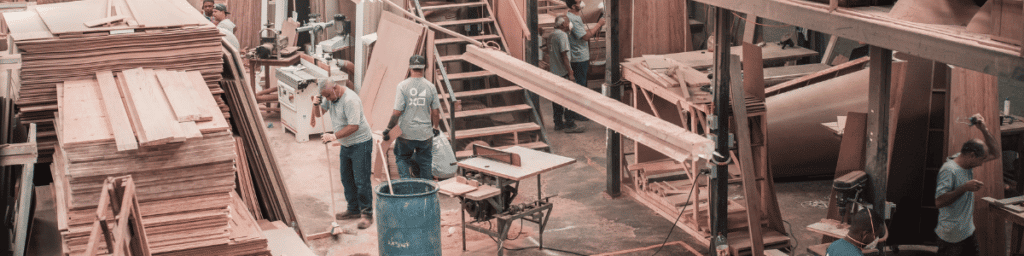
- the wood industry
- research laboratories