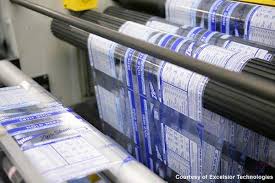
OberA recently worked with an international customer specializing in packaging. This customer approached us to deal with formaldehyde emissions that were occurring during their manufacturing process, more specifically during the gluing of aluminum foil.
Formaldehyde is a chemical substance potentially harmful to human health, and is commonly used in certain industrial processes, including the sizing of aluminum foil for packaging.
Our expertise in air treatment enabled us to design and install 2 installations consisting of an ePURBOX, both equipped with an additional large activated carbon cartridge each. This tailor-made solution effectively captures and eliminates formaldehyde emissions directly at the aluminum foil gluing station. In this way, we contributed to protecting the health and safety of our customer’s workers, while ensuring compliance with current standards and regulations.
Thanks to our personalized approach and commitment to environmental excellence, our customer has been able to improve air quality in their working environment, reducing health risks for employees and reinforcing their social responsibility to protect the environment.
Sommaire
The formaldehyde-generating process and its hazards
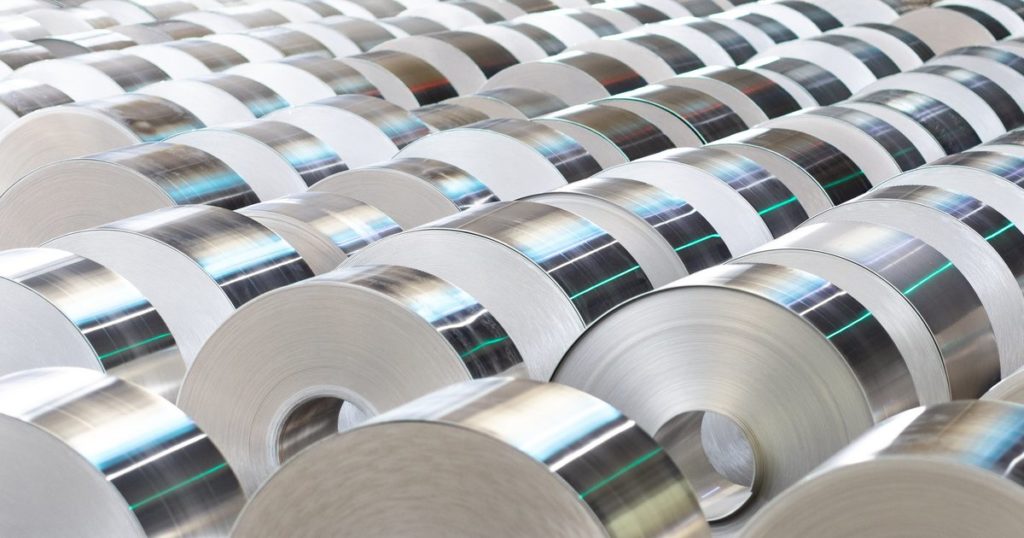
Formaldehyde emissions during the aluminum foil gluing process are mainly due to the use of glues or adhesives containing formaldehyde resins (phenoplasts or phenol-formaldehyde resins).
Formaldehyde is a volatile chemical compound which is released as a gas at room temperature, causing it to evaporate into the air whenadhesives are applied.
Formaldehyde is commonly used in many types of glues and adhesives for its adhesion and fast-drying properties, and in the manufacture of thermosetting polymers. However, this substance presents risks to human health, particularly when inhaled in high, prolonged quantities.
Inhalation of formaldehyde can cause a variety of health problems, such as respiratory tract irritation, headaches, nausea, respiratory problems, allergic reactions and skin irritation. In addition, formaldehyde is classified as a CMR carcinogen by the International Agency for Research on Cancer (IARC), which means that chronic exposure to this substance can increase the risk of developing certain types of cancer.
During the aluminum foil gluing process, formaldehyde fumes can be released into the ambient air from the glues or adhesives used, as well as during the drying of the glued films. These fumes can be present in theproduction workshop and potentially inhaled by workers, exposing them to health risks.
The benefits of formaldehyde treatment in industrial environments
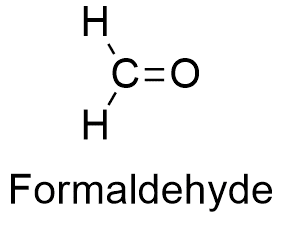
Formaldehyde treatment in industrial environments offers several important advantages. Firstly, it protects workers’ health by eliminating or reducing formaldehyde emissions into the ambient air. This reduces the risk of respiratory tract irritation, respiratory problems, allergic reactions and more serious health problems associated with this potentially harmful substance.
In addition, formaldehyde treatment helps companies comply with strict regulations concerning emissions of this substance. By complying with environmental and health standards, companies avoid the fines and penalties associated with non-compliance.
Another benefit of air treatment isimproved air quality in the working environment. By capturing and eliminating formaldehyde emissions, it helps create a healthier environment for employees, reducing the risk of headaches, nausea and other symptoms associated with poor air quality.
What’s more, formaldehyde treatment helps reduce the risk of formaldehyde-related occupational illnesses such asoccupational asthma and skin irritation. By eliminating excessive exposure to formaldehyde, it helps protect workers’ long-term health.
In terms of corporate image, adopting responsible formaldehyde treatment practices demonstratescommitment to employee health and safety, as well as environmental responsibility. This can improve image with customers, business partners and the general public.
Finally, formaldehyde treatment can also contribute to cost savings for the company by enabling more efficient use of resources and raw materials.
In summary, the treatment of formaldehydes in industrial environments offers many essential benefits for creating safer, healthier and more environmentally-friendly workplaces in the industries concerned. It’s a proactive measure that promotes worker health, regulatory compliance, operational efficiency and a positive corporate image.
The effectiveness of activated carbon on formaldehydes in industrial environments
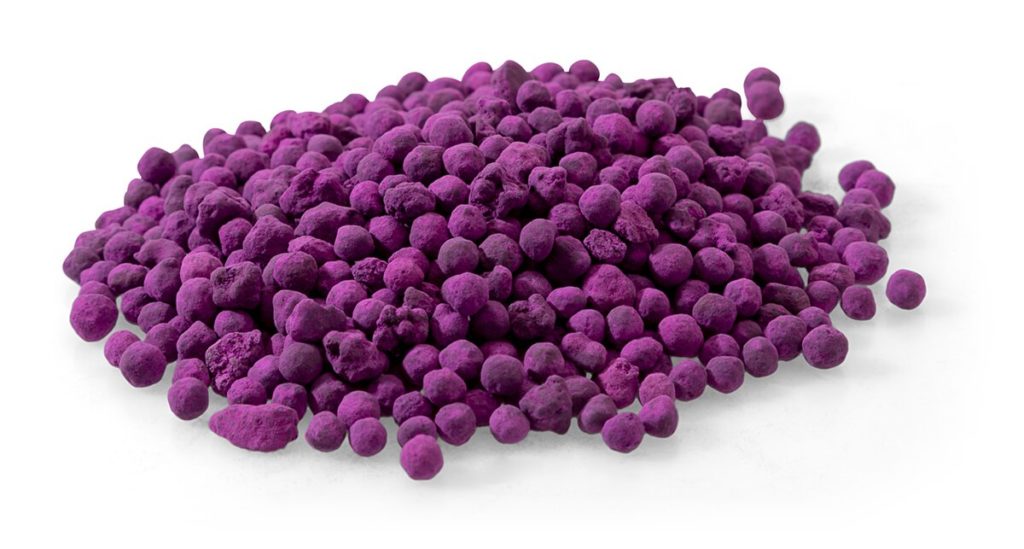
Formaldehyde molecules are small and can be difficult to capture effectively. However, activated carbon has a high specific surface area with different pore sizes, enabling it to trap and adsorb formaldehyde molecules. As formaldehyde-contaminated air passes through the activated carbon, these molecules are captured and retained on the surface of the material, helping to reduce the concentration of formaldehyde in the air.
It’s important to note that the effectiveness of activated carbon depends on factors such as the composition of industrial glues, temperature, air flow rate and contact time with the activated carbon. It is therefore essential to choose the right type of activated carbon for a specific application, to ensure effective formaldehyde removal and improved air quality in industrial environments.
See our use case study on VOC treatment in the screen printing sector.
