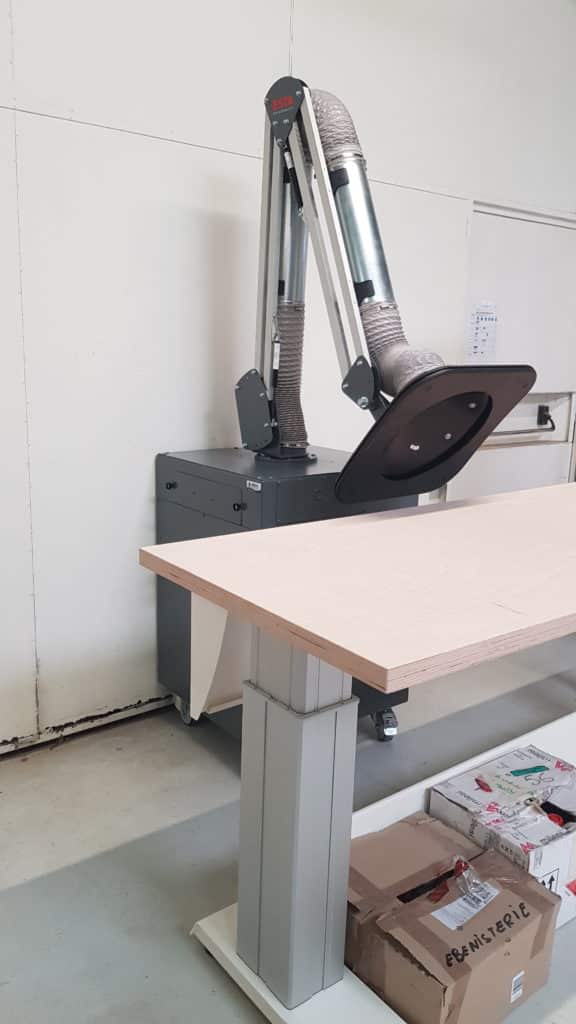
We had the opportunity to equip an international customer specializing in the development, design, production and distribution of diaphragm pumps and systems for gases and liquids. Our customer, conscious of the importance of preserving the environment and the health of its employees, asked us to solve a critical challenge within their manufacturing process.
The degreasing agents used to clean the metal parts of their pumps generated degreasing vapors that were harmful to the environment and the quality of the indoor air in their production workshop.
Aware of the harmful impact of degreaser vapour emissions on workers’ health and the environment, we proposed a tailor-made solution. We designed and installed a suction backsplash complemented by an ePURBOX activated carbon dust extraction system directly at the metal parts cleaning station, to effectively capture and filter degreaser vapors at source and thus protect the operator.
Thanks to our expertise in air treatment, we were able to significantly reduce emissions of degreaser vapors into the ambient air of their workshop. This has created a healthier and safer workplace for employees, while reducing the environmental impact of their activity.
By choosing our air treatment solution, our customer has taken a step towards more responsible production, in line with environmental and occupational health and safety standards. This fruitful collaboration is an example of our commitment to innovation and sustainability, helping our customers achieve their goals and create safer, healthier workspaces.
Sommaire
The health hazards of degreaser vapors for operators
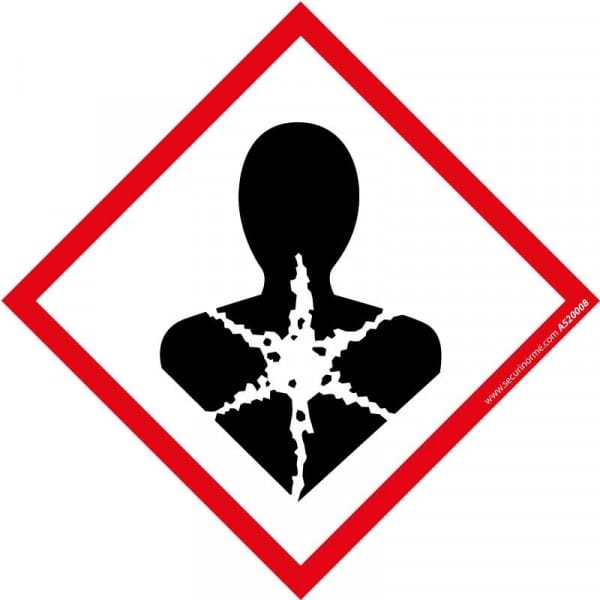
The industrial process of cleaning metal parts with degreasers generates Volatile Organic Compounds (VOCs), which present a number of health hazards for operators who are chronically exposed to them at high concentrations. VOCs are chemical substances that vaporize easily at room temperature and can be inhaled by operators, leading to health risks. Here are some of the hazards associated with this process.
Respiratory tract irritation
Inhalation of VOCs can cause irritation of the respiratory tract, leading to symptoms such as coughing, sore throat, sneezing and shortness of breath.
Neurological problems
Some VOCs are considered neurotoxins and can affect the central nervous system. Prolonged exposure to high levels of VOCs can lead to headaches, dizziness, memory impairment and concentration problems.
Chronic respiratory disorders
Continued exposure to VOCs can lead to chronic respiratory problems such as asthma, or worsening of symptoms in predisposed individuals.
Skin problems
Some degreasers contain chemicals that can cause allergic skin reactions in exposed operators.
Effects on the liver and kidneys
Some VOCs are toxic to the liver and kidneys, and prolonged exposure can cause damage to these organs.
Carcinogenic risks
Some VOCs are classified as probable human carcinogens by certain international health agencies, raising concerns about their potential to cause cancer in exposed individuals.
It is important to note that the hazards of VOCs depend on the concentration in the air, the duration and frequency of exposure, and individual sensitivity. Operators who regularly work with VOC-generating degreasers may be exposed to high levels of these chemicals, thus increasing their health risks.
To protect the health of operators, it is essential to implement preventive measures, such as the use of low-VOC or VOC-free degreasers, adequate air treatment of cleaning areas to reduce the concentration of VOCs in the air, and the use of appropriate personal protective equipment (PPE) to minimize direct contact with hazardous chemicals. In addition, operators need to be informed of the risks associated with VOCs and trained in good safety practices to reduce their exposure and prevent associated health problems. By taking these steps, it is possible to create a safer and healthier working environment when cleaning metal parts using degreasers that generate harmful VOCs.
The benefits of degreaser vapor treatment for metal parts cleaning
The treatment of Volatile Organic Compounds (VOCs) emanating from degreasing agents when degreasing metal parts offers several important advantages. Firstly, it protects the health of operators by eliminating or reducing VOC emissions into the ambient air, thus minimizing the risk of respiratory tract irritation, chronic respiratory problems, neurological disorders and other adverse health effects.

In addition, air treatment improves indoor air quality in the degreasing shop by capturing and eliminating VOCs at source. This creates a healthier working environment for operators, reducing the risk of headaches, fatigue and other symptoms associated with poor air quality.
On the environmental front, VOC treatment systems ensure compliance with strict environmental regulations concerning VOC emissions. In this way, companies avoid potential fines and sanctions, reinforcing their environmental responsibility.
In addition, air treatment improves degreasing efficiency through better management of VOC emissions. This leads to more efficient use of degreasers, better conservation of resources and reduced operating costs.
By adopting responsible VOC treatment practices, companies demonstrate their commitment to employee health and safety, as well as their concern for the environment. This can improve their image with customers, business partners and the general public.
Discover also a use case concerning the treatment of hydrocarbons in an industrial environment
