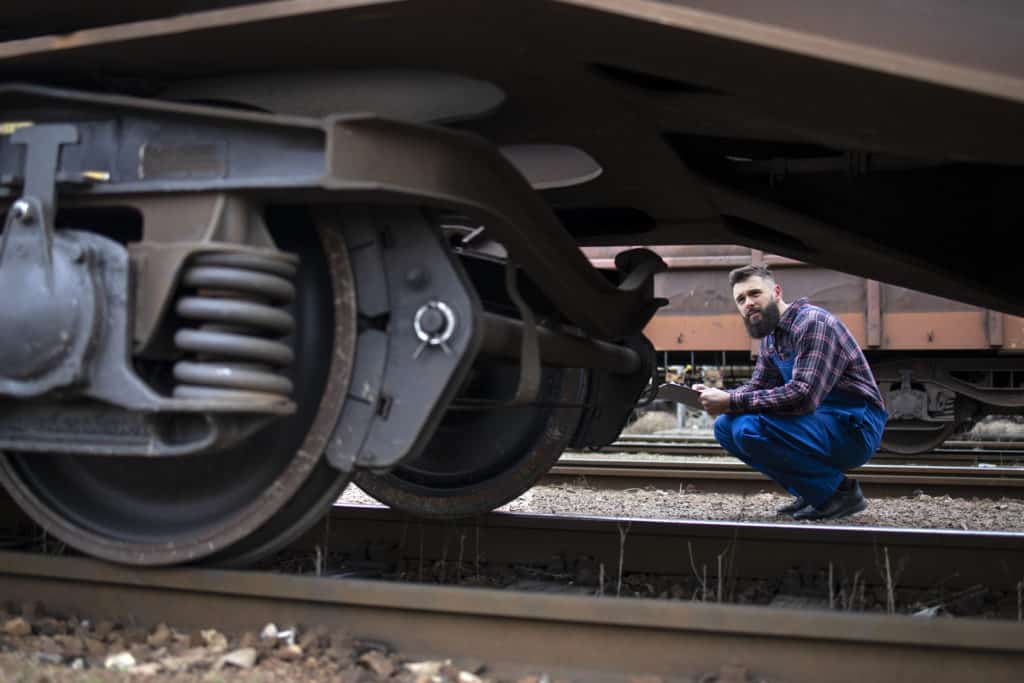
OberA is proud to have been chosen by customers in the rail transport sector and French specialists in granulated solutions for road mixes to meet a major challenge in their manufacturing process.
Our customers, conscious of the importance of preserving the environment and guaranteeing the health and safety of their employees, called on our air treatment expertise. They were confronted with harmful hydrocarbon fumes during their manufacturing processes, raising both environmental and worker health concerns.
Faced with these challenges, we have developed customized solutions to effectively capture and treat hydrocarbon emissions at source. By implementing air treatment systems tailored to their specific needs, we have succeeded in significantly reducing hydrocarbon emissions into the ambient air.
Railway sector
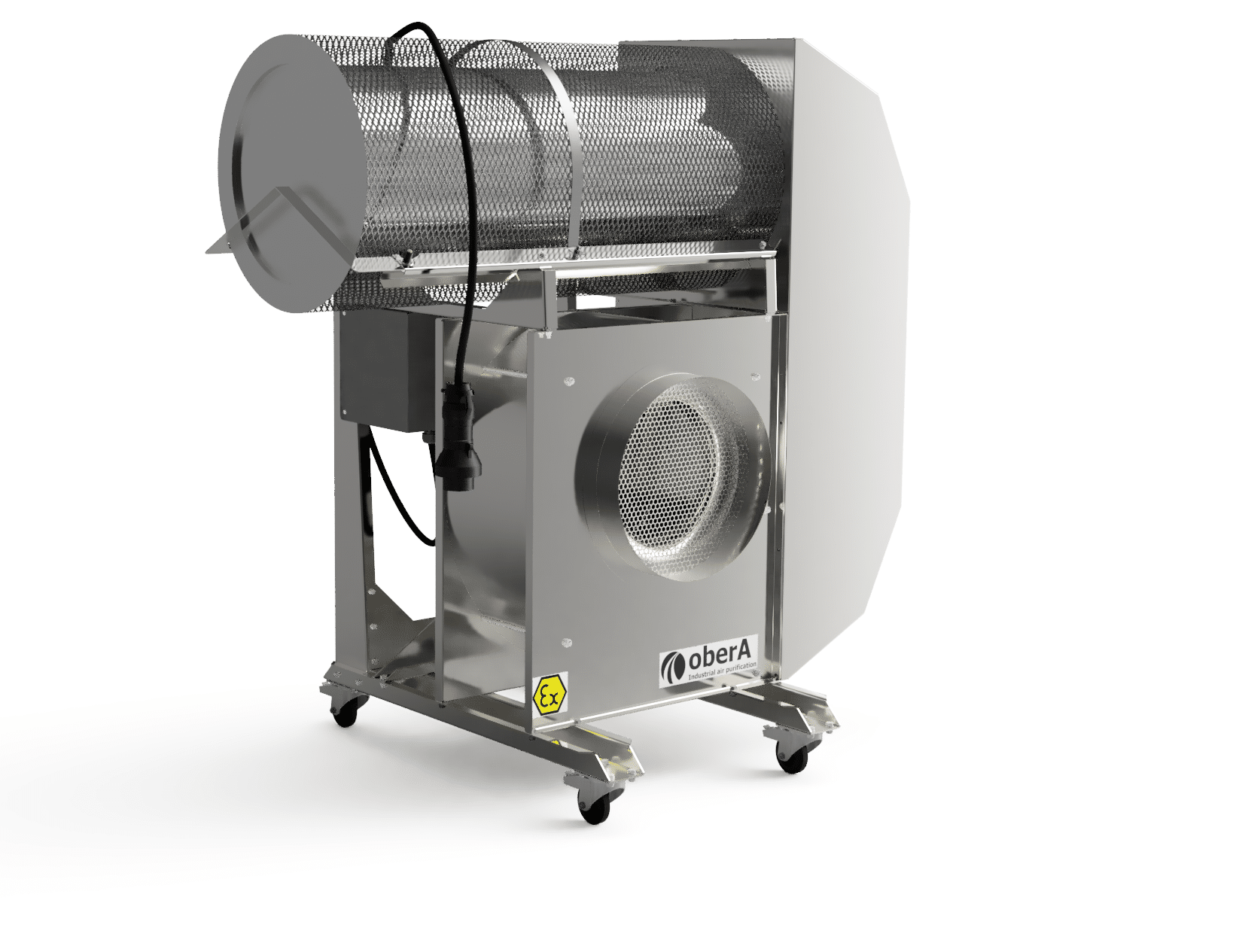
For our customer specializing in rail transport, we implemented a dust removal solution including a Mobfan system, specially designed to treat odors and Volatile Organic Compounds (VOCs). The results obtained and the positive feedback from their operators have fully satisfied our customer, as this solution has led to a significant reduction in hydrocarbon emissions at the outlet of the industrial furnace used during manufacturing processes in their workshops.
Road asphalt sector
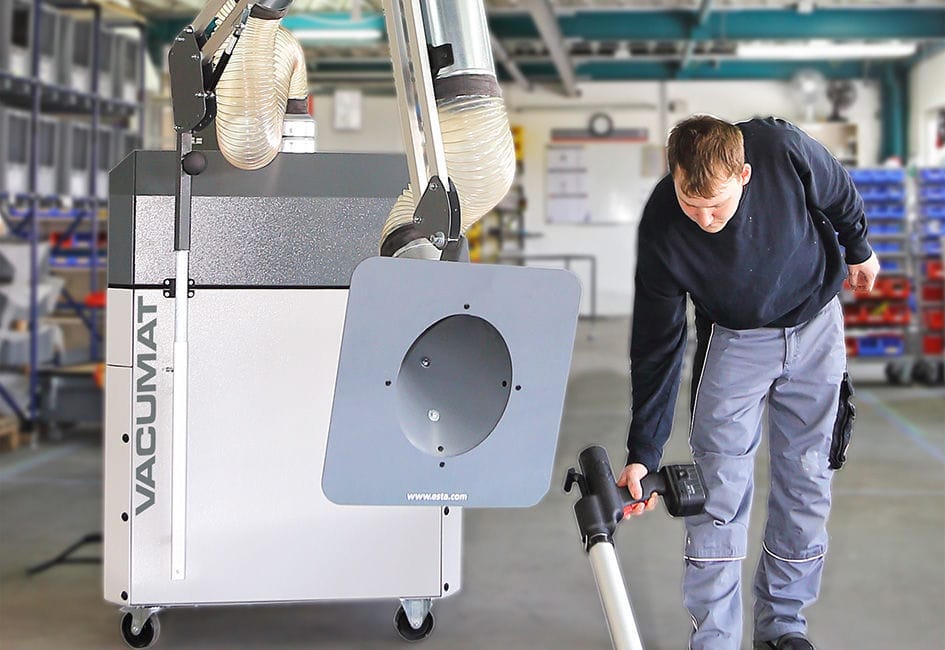
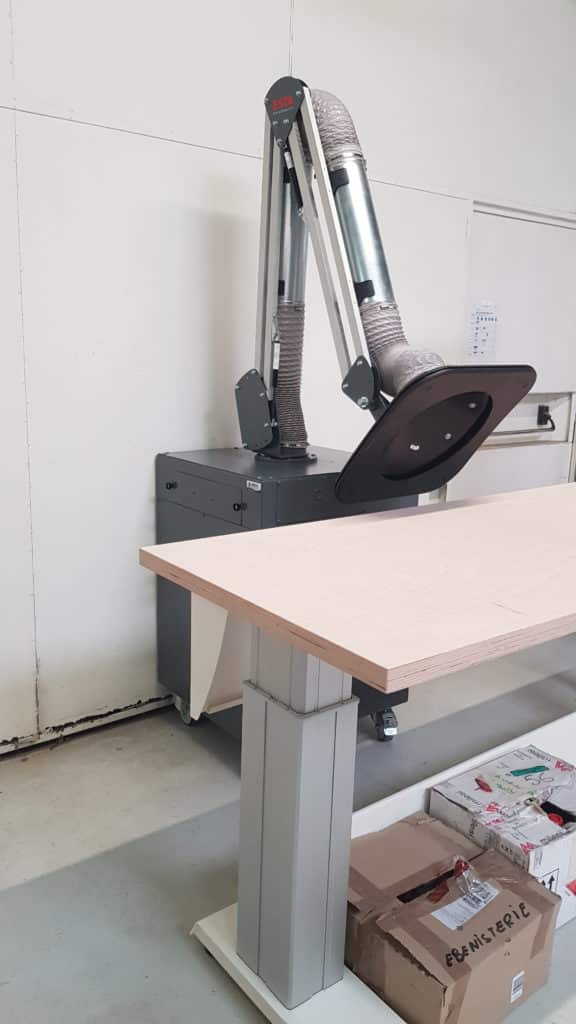
For our customer specializing in asphalt mixes and manufacturing new tars, we installed an ePURBOX dedusting system equipped with an arm and activated carbon cartridges specially designed to effectively treat gaseous pollutants, odors and Volatile Organic Compounds (VOCs) at source. Our customer was fully satisfied with the solution implemented, as it led to a significant reduction in hydrocarbon emissions during the manufacturing process of new tars in their workshops.
Thanks to our intervention, our customers have been able not only to comply with strict environmental regulations concerning hydrocarbon emissions, but also to improve working conditions for their employees by creating a healthier and safer environment.
This fruitful collaboration with our customers specializing in rail transport and plastic parts manufacturing testifies to our commitment to innovation and sustainability. We are proud to contribute to reducing environmental impact and improving working conditions in the industry, by offering tailor-made solutions to environmental and health & safety challenges.
Sommaire
- Hydrocarbon-generating processes in the rail sector
- Hydrocarbon-generating processes in the manufacture of new tar
- The dangers of hydrocarbons for operators’ health
- The benefits of hydrocarbon processing for our leading players in French industry
- The effectiveness of activated carbon on hydrocarbon emissions
Hydrocarbon-generating processes in the rail sector
The presence of hydrocarbons at the end of an industrial furnace is a common phenomenon in the railway industry, during the manufacturing process of certain specific parts. Industrial furnaces are used to heat, dry, harden or polymerize various materials, including plastics and resins, which are often used in the manufacture of components for trains and railway equipment.
When these materials are subjected to high temperatures in the furnace, certain hydrocarbon molecules may be released as gases or vapors. These hydrocarbon emanations can propagate into the ambient air around the furnace, and can be potentially harmful to the health of workers and the environment.
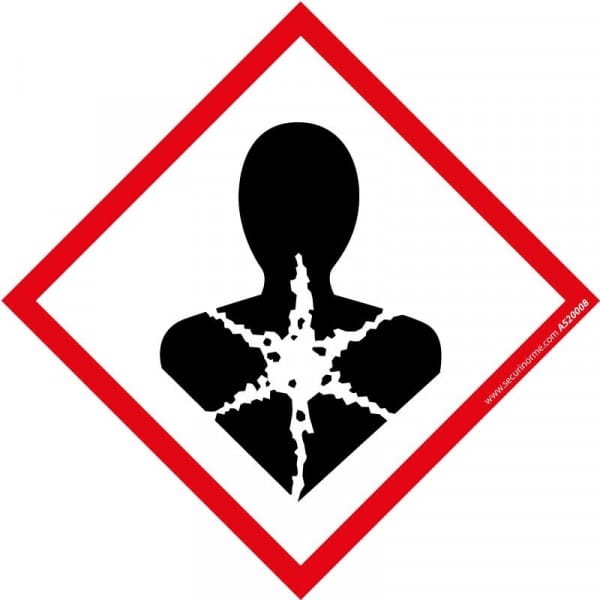
The presence of hydrocarbons at the outlet of an industrial furnace can present health risks for operators exposed to these fumes.Inhalation of these hydrocarbon gases or vapors can cause respiratory tract irritation, headaches, dizziness, nausea, and even more serious long-term health effects, depending on the concentration and nature of the hydrocarbons emitted.
Hydrocarbon-generating processes in the manufacture of new tar
The presence of hydrocarbons in the formulation of new tars is a frequent and unavoidable occurrence in the field of new tar manufacture. Tar is generally manufactured from the distillation of crude oil or other hydrocarbon sources. In the process of formulating new tar, different hydrocarbon-containing raw materials are used to obtain the desired composition.
During formulation, hydrocarbon fumes may be released into the ambient air of the plant or production workshop. These fumes may be in the form of gases or vapors, and may be potentially harmful to the health of exposed workers.
The dangers of hydrocarbons for operators’ health
The inhalation of hydrocarbons during industrial manufacturing processes presents a number of health hazards for exposed workers. Hydrocarbons are organic chemical compounds found in petroleum products, and can be gases, vapors or fine particles. Here are some of the hazards associated with hydrocarbon inhalation:
Respiratory tract irritation
Inhalation of hydrocarbons can cause respiratory tract irritation, leading to symptoms such as coughing, sore throat, sneezing and shortness of breath.
Respiratory problems
Chronic exposure to high levels of hydrocarbons can lead to chronic respiratory problems, such as asthma or aggravation of symptoms in predisposed individuals.
Neurological effects
Some hydrocarbons are considered neurotoxins and can affect the central nervous system. Prolonged exposure can cause headaches, dizziness, memory impairment and concentration problems.
Effects on the liver and kidneys
Some hydrocarbons are toxic to the liver and kidneys, and prolonged exposure can cause damage to these organs.
Carcinogenic risks
Some hydrocarbons are classified as carcinogenic to humans by certain international health agencies, raising concerns about their potential to cause cancer in exposed individuals.
Asphyxiation
Some hydrocarbons can replace oxygen in the air, creating an oxygen-depleted and potentially asphyxiating environment.
The air treatment offered by OberA brings a number of significant advantages for companies in the railway sector and specialists in the manufacture of road mix, particularly in the context of managing hydrocarbons in their manufacturing processes.
The benefits of hydrocarbon processing for our leading players in French industry
In terms of worker health and safety, air treatment effectively captures and eliminates hydrocarbon fumes, protecting workers’ health by reducing their exposure to these potentially harmful compounds. This helps prevent respiratory tract irritation, chronic respiratory problems and the risk of long-term adverse health effects.
What’s more, by installing air treatment systems, our customers can comply with strict environmental regulations concerning hydrocarbon emissions. This avoids the potential penalties and fines associated with non-compliance with environmental standards, reinforcing the company’s environmental responsibility.
In terms of brand image and reputation, adopting responsible hydrocarbon treatment practices helps to improve their brand image. It demonstrates their commitment to protecting the environment and the health of their employees, which can lead to a better perception with customers, business partners and the public.
In addition, air treatment helps to improve air quality in the company’s working environment by capturing and eliminating hydrocarbon fumes. This creates a healthier workplace for employees, reducing the risk of respiratory and other health problems associated with poor air quality.
Finally, by controlling hydrocarbon emissions, air treatment can enable more efficient use of raw materials and resources, which in turn can lead to cost savings for the company.
In conclusion, OberA’s air treatment offers a complete solution for managing hydrocarbons during manufacturing processes in the rail and road asphalt sectors. This helps to improve worker health and safety, comply with environmental regulations, enhance brand image and create a healthier, more efficient working environment. It’s an essential measure to ensure responsible, sustainable and environmentally-friendly production in these key industries.
The effectiveness of activated carbon on hydrocarbon emissions
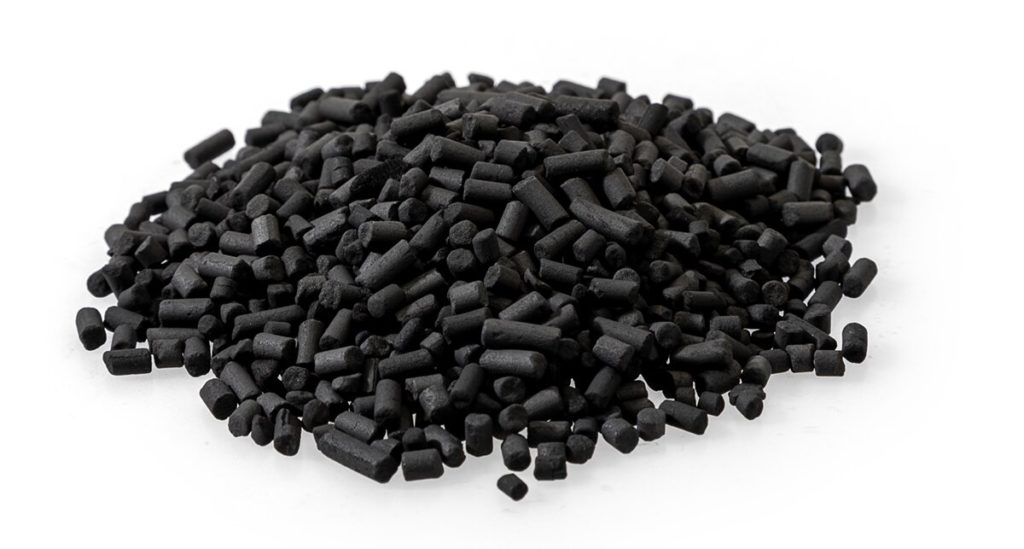
Activated carbon is a porous material with a high specific surface area, enabling it to trap hydrocarbon molecules as they pass through it. These hydrocarbon molecules are then adsorbed and retained on the surface of the activated carbon. This considerably reduces the concentration of hydrocarbons in the air and improves air quality by eliminating these pollutants.
To ensure optimum efficiency of the activated carbon, it is essential to select a type of carbon suited to the specific composition of the hydrocarbons emitted, and to design an appropriate filtration system for the fumes leaving the industrial furnace. Regular monitoring and proper maintenance of the activated carbon are also necessary to maintain its long-term effectiveness.
Here’s another use case for the treatment of degreaser vapors when cleaning metal parts in industrial environments.
