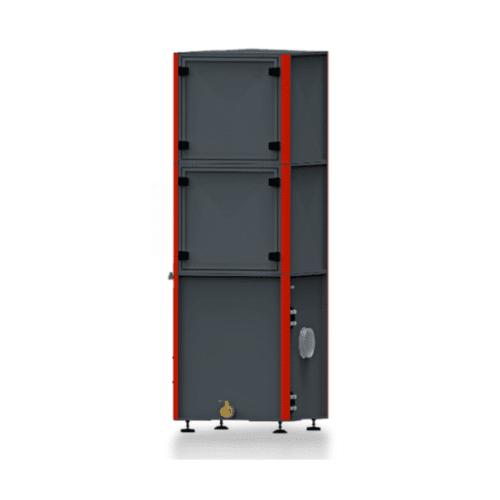
Dry separators and wet dust collectors are suitable for dust separation. The design of the optimum industrial extraction system is based on individual factors such as process, installation situation, external influences, etc. The result is a variety of possible solutions, which may require additional pre-separators or fire and explosion protection measures.
Dry separators or dust collectors
When should a dry separator be used?
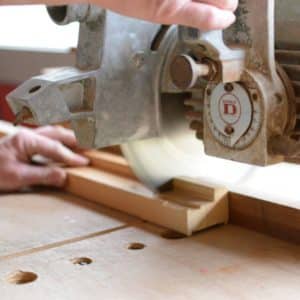
A dry separator is suitable for work processes such as grinding, polishing, deburring, welding, brazing, laser cutting, sawing, separating, decanting and mixing. It is used to extract dry, free-flowing, long-fibered, sticky, flammable dusts, etc. Dry separation systems are available with various certifications for CMR, harmful or carcinogenic dusts.
What are the advantages of a dry separator or dust collector over a wet separator?
- Frequency converter can be used to save energy.
- Outdoor installation (no risk of frost).
- Various evacuation options.
- Lower price.
- Various safety systems.
- Flexibility.
- Simple handling (emptying).
- Various pre-separator variants available.
- Suitable for small to large quantities of dust.
- Various filtration materials available.
- ATEX versions available.
- Very high degree of separation.
- Easy dust evacuation (no sludge).
What are the disadvantages of a dry separator compared with a wet separator?
- Expensive security systems.
- Wear parts: filter maintenance.
- Risk of fire and/or explosion.
Our dry separators
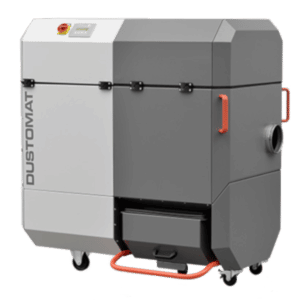
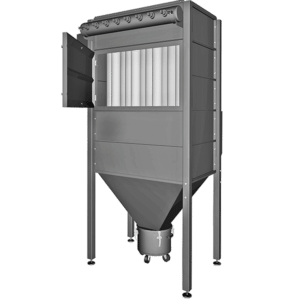
Wet separators
When to use a wet separator?

A wet separator is suitable for processes with strong sparks, for processing aluminum dusts, and for extracting sticky, wet and flammable dusts. Typical work processes include grinding, polishing, deburring, sawing, separating, decanting and mixing. Wet dust collectors are available as mobile or stationary units.
What are the advantages of a wet separator over a dry separator?
- The risk offire is reduced to a minimum. Dust and ignition sources are wetted by water.
- No filter wear.
- OberA wet separator available with type examination certificate for aluminum dust extraction.
- Cost-effective solution for aluminum dusts compared to an ATEX dry dust collector.
What are the disadvantages of a wet separator compared with a dry separator?
- High humidity in exhaust air (subject to air recirculation)
- Risk of corrosion on wet separator components
- More extensive cleaning
- Outdoor installation associated with higher costs/work: risk of frost
- Possibility ofdust accumulation (e.g. plastic)
- Lower degree of separation compared to a dry filtration solution
- Removal of dust, which is more difficult because it is mixed with sludge
Our wet dust collector