Dust is a particle smaller than 100 microns. Occupational exposure limit values(OELVs) indicate the measures to be taken with regard to dust in the workplace. Dust and VLEP lead to air quality control . To help you, INRS provides information on prevention and protection against exposure to dust in the workplace.
Do you want to secure your professional activity and reduce health risks? We can provide you with reliable information.
Sommaire
Dust definition and prevention
Dusts are particles with a crystalline structure: a dust is round in shape, with angular contours and abrasive potential. All particles smaller than 100 microns (0.1 mm, PM 1, PM 2.5 and PM 10) belong to this category of hazardous agents. When the concentration of PM 2.5 (size 2.5 microns) is high,occupational exposure presents a cancer risk.
Dust at work: the different types
Employees know little about the risks of exposure in the workplace. Risk assessment, prevention and protection against the dangerous effects of dust on health are the responsibility of companies. There are two main types of dust:
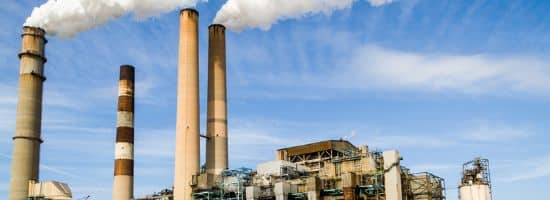
- inorganic dusts (industrial dusts).
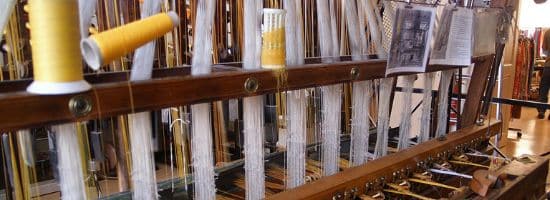
- organic dusts (textile and food industries).
The most dangerous dusts for health
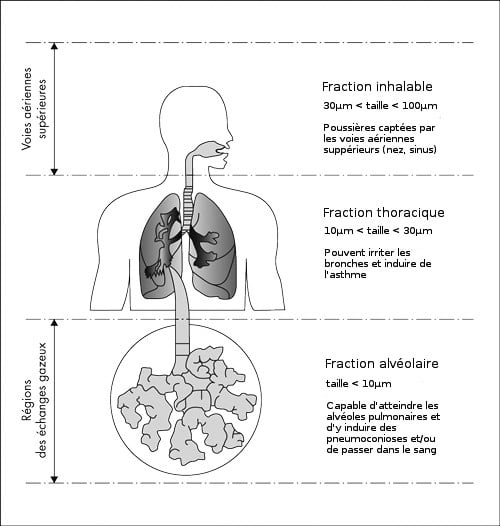
Dusts smaller than 10 microns (PM10) reach the alveolar cells of the lungs. Fine dusts pass directly into the bloodstream. Dusts smaller than PM1 are the most dangerous, presenting high CMR, carcinogenic and pathogenic risks. Diagnosis of air quality in the workplace is therefore essential. The finer the dust, the higher its concentration in the air , and the longer it remains in suspension (from 1 to 40 hours).
The finer the dust, the longer its settling time. For example, hair-sized particles (50µm) settle rapidly (around 6s per meter). They sediment close to their emission zone, or remain in suspension if air movement is sufficiently strong to prevent their sedimentation. In contrast, 0.1µm particles behave in a similar way to molecules. They move according to a Brownian (random) motion, remain in suspension and have no measurable settling velocity. They fall one meter in 20 days without disturbance. It’s easy to understand why, without forced movement (aeration, mechanical ventilation, central vacuuming, air purification), these finest and most dangerous particles never settle and remain in suspension.
Dust and VLEP: what the regulations say
How to interpret the relationship between dust and VLEP in the workplace? Consider that occupational dust comes from manufacturing processes, machinery movements or the handling of goods and products. The multiplicity of dust particles in suspension presents health risks. The law has created a classification of dusts by level of penetration into the body.
Respirable particles and the working environment
The ratio of dust to VLEP produces different results depending on the size of the dust. Respirable particles are those with a diameter of less than 4 microns. As we have seen, the WHO lowers the threshold to 2.5 (PM 2.5), considering these particles to be the most dangerous. Permanent monitoring in the workspace is possible byinstalling a box, probe or air analyzer.
Thoracic dust and penetration: what are the values?
The upper respiratory tract filters these so-called total dusts. Their size does not exceed 100 microns, and their thoracic fraction is less than 10 microns. They penetrate the lungs, can irritate the bronchial tubes and are a risk for asthma.
Dust and VLEP: 8-hour exposure limit value
The VLEP contraignant (concerns asbestos, wood, silica and carcinogenic ceramics) is a reference value for any deferred health risk from exposure. These tools are aimed at the world of work, and INRS uses them to draw up its health and safety guides. Official control of VLEP in the workplace is the responsibility of COFRAC.
Also read: What is an Occupational Exposure Limit or OEL?
Occupational exposure limit value (OEL) 8 hours
The French Labor Code defines the level of the 8-hour VLEP, under normal temperature conditions. The average concentration of total dust must be below the threshold of 10 mg/m³ of air. The average concentration of respirable dust must remain below the ceiling of 5 mg/m³ of air.
Dust and 8-hour VLEP: a few examples
Some particles have more harmful effects on health. The VLEP measurement is stricter: wood dust 1 mg/m³, silica dust between 0.1 and 0.005 mg/m³, flax dust 0.2 mg/m³, asbestos 10 fibers/cm³. If these limits are exceeded , the company must take protective and preventive measures.
Filtration and dedusting solutions are available

Do you have a dust problem in your workshops? OBERA has been a specialist in air treatment and dust removal for 20 years. Rely on our expertise to protect your staff and your productivity. Fill in our contact form to get answers to your questions.
