
Industrial extraction and dust collection solutions for material extraction
Material extraction inevitably generates residues that must be controlled to protect worker health and safety.
 Thomas Stanislas
Material extraction inevitably generates residues that must be controlled to protect worker health and safety.

In the electronics industry, air quality directly affects component reliability and operator health.

Art restoration and artistic creation daily expose professionals to solvents, resins, and fine dust that must be rigorously controlled.

Military infrastructures require absolute control of the work environment to protect operator health and the longevity of tactical equipment.
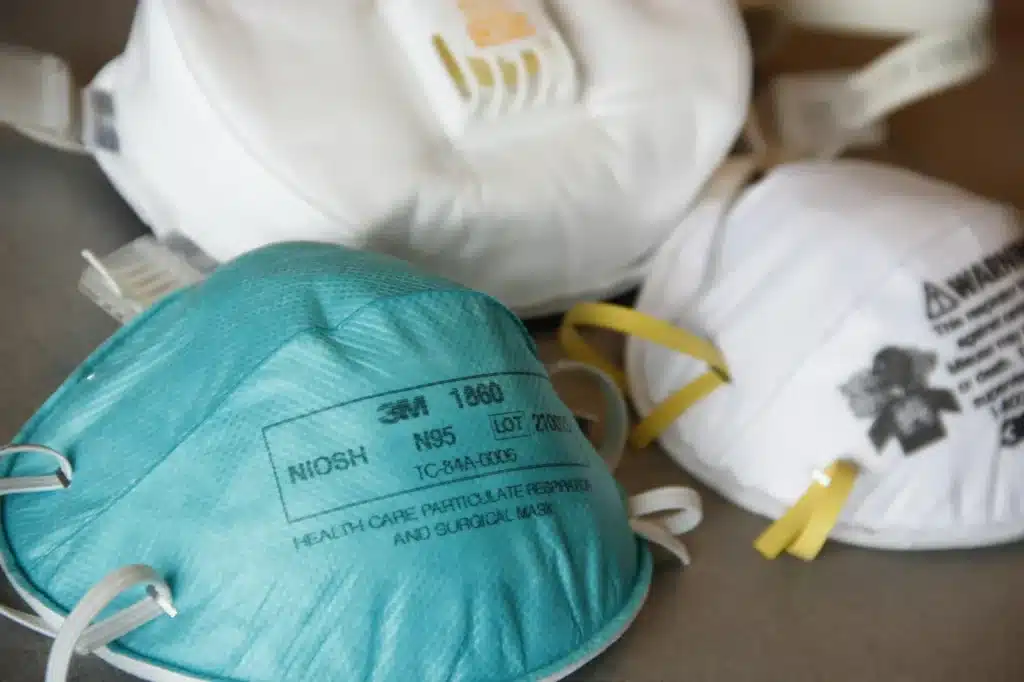
Improving indoor air quality has become a major public health issue to protect employees in all industrial or tertiary environments.

Vacuum infusion is a widely used process for manufacturing large composite parts. This process involves impregnating reinforcing fibers with a liquid resin drawn in under vacuum.

Epoxy resins are widely used in the manufacture of composites with high mechanical performance.
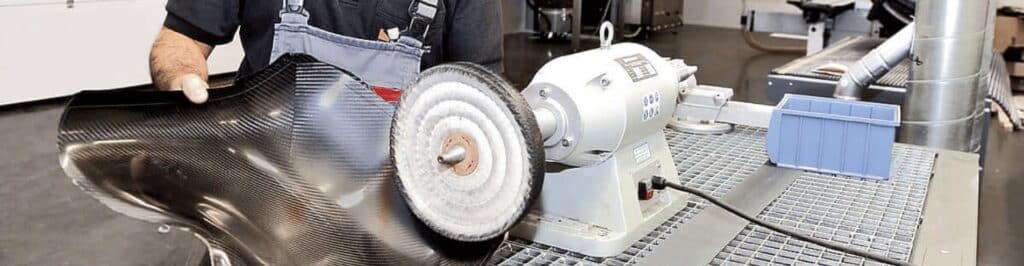
Fiberglass-reinforced composites are among the most widely used materials in industry. They offer a good balance between mechanical performance, corrosion resistance, and production cost.
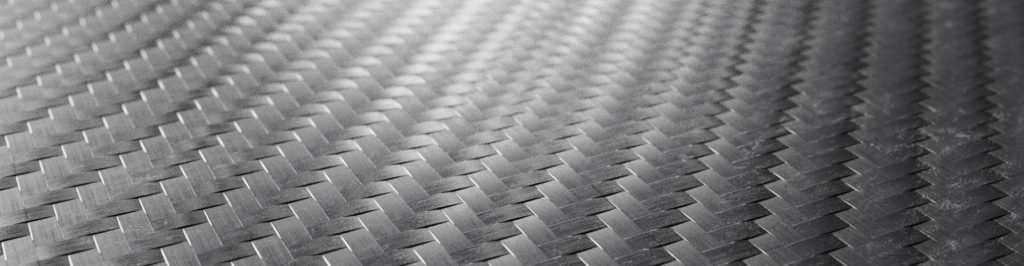
Carbon composites are widely used in high-tech industries. According to composite materials manufacturer Hexcel, these materials offer an excellent strength-to-weight ratio, which explains their use in the aerospace and automotive sectors.

Polyester resins are widely used in the manufacturing of composite materials. They are employed in numerous industrial sectors such as marine, swimming pool manufacturing, the automotive industry, and wind energy.

Composite materials and inorganic fibers are at the heart of many industrial activities, but their handling can expose operators to health risks. Identifying these hazards and implementing effective protection solutions is essential to secure teams and optimize working conditions.
OberA reveals the results of a new survey* conducted among 4,102 people, which highlights a persistent discrepancy between thermal comfort and air quality at work: highly debated ideal temperatures, rare winter ventilation, absence of air purification devices, poorly controlled humidity, and uncertainty about appropriate actions against viruses. The study also emphasizes strong expectations from employers: a large majority requests concrete actions for healthier indoor air in businesses and public spaces.

According to WHO data, France records nearly 50,000 deaths per year linked to air pollution, which is 10 times more than road accidents! Furthermore, it is estimated that the indoor air of a dwelling or professional premises is 5 to 10 times more polluted than that of the outdoor environment.
According to data from the World Health Organization (WHO), nearly 50,000 deaths occur annually in France due to air pollution, which is 10 times more than the number of road accidents! Furthermore, it is estimated that the indoor air of a home or business premises is 5-10 times more polluted than the air in the outdoor environment.

The increasing prevalence of HPAPI (Highly Potent Active Pharmaceutical Ingredients) is profoundly transforming pharmaceutical production practices.
Whether outdoor competitions, indoor tournaments, temporary structures, or large-scale events, sporting events are highly exposed to climatic variations.
Establishments hosting children and adolescents—schools, nurseries, after-school centers, activity rooms, or school gymnasiums—are particularly vulnerable to heatwaves.
In cafes, hotels, restaurants, or institutional catering establishments, heat is a factor that impacts both the customer experience and staff working conditions.

Data centers concentrate increasingly powerful and dense IT loads, generating considerable heat. Effective thermal management is a strategic imperative for performance, security, and business continuity.
Retail is a sector where the customer experience is directly influenced by the point-of-sale environment. During periods of high heat, indoor temperatures can quickly become uncomfortable, even deterrent, for customers and staff.
In equestrian environments, heat is a stress factor for both horses and riders. During the summer season, stables, riding arenas, and tack rooms can become stifling, compromising the performance, safety, and health of equids.
In the logistics chain, containers are ubiquitous: used for maritime, rail, or road transport, they pass through hubs, warehouses, and loading areas where climatic conditions can directly impact operations.
In commercial spaces such as offices, administrations, public access buildings (ERP), open-plan offices, waiting rooms, or reception areas, managing thermal comfort is a crucial challenge.
The railway sector includes demanding technical environments: maintenance workshops, logistics warehouses, depots, loading docks, and signal cabins.
Printing facilities, whether offset, digital, or flexographic, generate significant thermal loads related to presses, motors, inks, and drying systems.
In the construction sector, extreme weather conditions on sites can negatively impact the safety, productivity, and well-being of employees.

At OberA, we understand how important it is to enjoy an outdoor meal, especially during warm summer days. However, high temperatures can quickly turn this enjoyable occasion into an unpleasant experience.

Stone-cutting is a noble profession, steeped in history and know-how. But behind the beauty of the gesture lies an often underestimated health risk: silicosis, an irreversible lung disease caused by the inhalation of silica dust.

That’s what my trainer told me on the first day. Ten years later, it’s become my mantra. Being a stonemason in 2025 is still a matter of passion. But today, it’s also a matter of caution.

For several years now, the public authorities have been tightening the rules governing exposure to crystalline silica dust, particularly in the building and stonemasonry trades.

Underground parking lots are well-known urban hot spots: poorly ventilated, highly mineralized and enclosed.

In the demanding world of stone-cutting, the beauty of the gesture is often accompanied by an invisible but very real risk: fine dust.

Recently, we had the opportunity to diagnose a critical situation at one of our customers, where rubber dust represented a serious safety hazard. This article presents the problems we identified and the effective solution we implemented.

The automotive sector is overheating, and the heat in garages and workshops
is becoming a scourge for industry professionals.

In stone-cutting workshops, dust is part of the décor. But what seemed harmless yesterday is now recognized as a major health hazard.

In the current context where temporary events such as festivals, sports events, street markets, trade shows, or pop-up restaurants are increasing, ensuring the thermal comfort of participants becomes essential.

Traditionally associated with manual professions sometimes considered austere, tailoring and sewing workshops have long held an image stuck in the past: dust, dim light, long hours of repetitive work. But this image is changing.

With rising temperatures and extreme heat waves, ensuring thermal comfort at indoor events has become essential.

In the wood industry, climatic conditions play a decisive role at every stage of production.

In the aeronautics industry, hangars and workshops are often faced with major thermal challenges, particularly during the summer months.

Farms face major challenges in managing temperatures, particularly during periods of intense heat.

When the installation of an industrial dust extraction system is mentioned, a common concern often arises: “What if it slows down, or even halts, our production?”

In the food industry, temperature management is a priority to ensure product quality and team comfort.

In an increasingly demanding logistics environment, temperature control in storage areas has become a strategic lever.

With summer just around the corner, we were called in urgently by an industrial customer. His 100 m² compressor room became an oven as soon as outside temperatures rose above 30°C.

In the events sector, guaranteeing the thermal comfort of your teams and participants is essential to the success of your events.

In a sector as demanding as the automotive industry, every detail counts to guarantee production quality and employee well-being.

Stone trades are among the noblest and most demanding in the artisanal and industrial world. Masons, engravers, marble workers, sculptors, and quarry operators all possess valuable expertise… often under challenging conditions.

In the metalworking industry, workshop air quality is an essential criterion for ensuring the health of teams and the durability of equipment.

In the wood industry, air quality is a major concern. Woodworking, carpentry, timber production and construction workshops generate large quantities of pollutants and chemical compounds.