Silicosis is a serious lung disease caused by inhaling crystalline silica dust. Stonemasons are particularly exposed: when sawing or grinding granite, marble, sandstone, or engineered stone, very fine dust clouds are released, often unseen.
These particles penetrate deep into the lung alveoli, triggering irreversible fibrosis.
Silicosis leads to irreversible pulmonary fibrosis and debilitating. There is no curative treatment: only prevention (cessation of exposure, protective measures) can limit the disease’s progression.
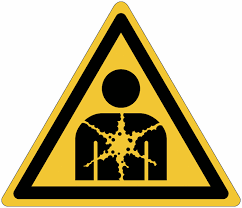
Information: Inhaled crystalline silica (quartz, cristobalite) is classified as a confirmed human carcinogen (IARC Group 1).
Sommaire
Risk Exposure for Stonemasons

Stonemasons often work with natural stone (granite, marble, sandstone, etc.) or artificial stone. During sawing, sanding, or grinding, silica dust is released into the air.
Without adequate protection, these fine dust particles are inhaled and accumulate in the lungs. The danger depends on the material processed: for example, engineered stone (artificial) can contain up to 95% crystalline silica.
High-risk operations: cutting stone blocks (sawing, cutting), sanding/polishing surfaces, demolition or rock extraction, sculpting, etc.
Silica Content of Various Materials
| Material | Crystalline Silica (%) |
| Quartzite | > 95% |
| Sandstone | > 90% |
| Engineered Stone (Artificial) | up to 95% |
| Granite | up to 30% |
This high content explains why stonemasons are at high risk: even short-term exposures can be sufficient to trigger the disease.
Symptoms and Complications of Silicosis in Stonemasons
Silicosis develops slowly. Its first symptoms are a chronic dry cough and shortness of breath on exertion, which often appear after several years of exposure.
Diagnosis is radiological: pulmonary nodules (opacities) are observed, predominantly in the lung apices.
Unfortunately, symptoms appear late, which often delays diagnosis. The progression continues even after exposure ceases, leading to respiratory and cardiac insufficiency.
Common Complications
Pulmonary tuberculosis (considered the main complication), chronic obstructive pulmonary disease (COPD) and respiratory emphysema, as well as a high risk of bronchopulmonary cancer (silica is a proven carcinogen).
In one study, out of 35 stonemasons monitored, 28 already had silicosis (80%) after only ~2 years of exposure in substandard workshops. This highlights how quickly the disease can occur in the absence of protection.
Tragic Case Linked to Engineered Stone
A recent case illustrates the dangers: in 2024, a 48-year-old Polish stonemason working in the UK died from a lung disease (“engineered stone silicosis”) after cutting countertops made of engineered stone.
His family and associations emphasized that his death was entirely preventable, and hope it will serve as a wake-up call for the industry and authorities (to improve working conditions).
This case serves as a reminder that the increasing popularity of artificial stones (very rich in silica) multiplies the risk for stonemasons if nothing is done to protect them.
Prevention and Protection Measures
Silica dust prevention is essential. Wearing respiratory protection (P2/FFP2 or P3 mask) is mandatory in the presence of stone dust.
ANSES recommends generalizing wet work methods (watering) and implementing source capture (local extraction) to reduce inhalable dust. Good ventilation of the workshop must also be ensured (e.g., ventilated booths, dust collectors). Finally, training and awareness are essential: as OPPBTP emphasizes, workers must understand that silica dust is odorless and has delayed effects, and adopt appropriate safety practices.
Key Measures
Perform sawing/grinding with regular watering, install source extractors or dust collectors, systematically wear an appropriate filtering mask, clean the workshop by vacuuming (no dry sweeping), and conduct regular technical inspections of equipment (filters, motors).
The combination of these measures (collective and individual) significantly limits exposure. Annual medical surveillance (pulmonary examinations, X-rays, spirometry) is also recommended for exposed artisans, to detect any potential damage early.
Regulatory Recognition
In France, occupational silicosis is recognized: it is listed in table no. 25 of occupational diseases, “conditions resulting from the inhalation of mineral dusts containing crystalline silica”. When diagnosed in an exposed stonemason, it can be declared an occupational disease, entitling them to coverage and compensation (annuity, provident fund, etc.).
In practice, each workshop must regularly assess silica dust risks (inventory of siliceous materials, concentration measurements) and update its prevention plan. The objective is clear: to preserve the health of artisans. Since silicosis is incurable, the only effective “treatment” is not to contract it – by minimizing dust inhalation from the start of one’s career.
Key Takeaways
The stonemason profession carries a high risk of silicosis in the absence of protection. Symptoms appear late, and the disease progresses even after exposure ceases.
It is therefore crucial to implement prevention measures (wet work, source extraction, respiratory protection) and regularly monitor workers’ health. No modern technique justifies neglecting dust: solutions exist (ventilated booths, extraction enclosures, etc.) and must be systematically employed so that no stonemason risks their life while shaping stone.
