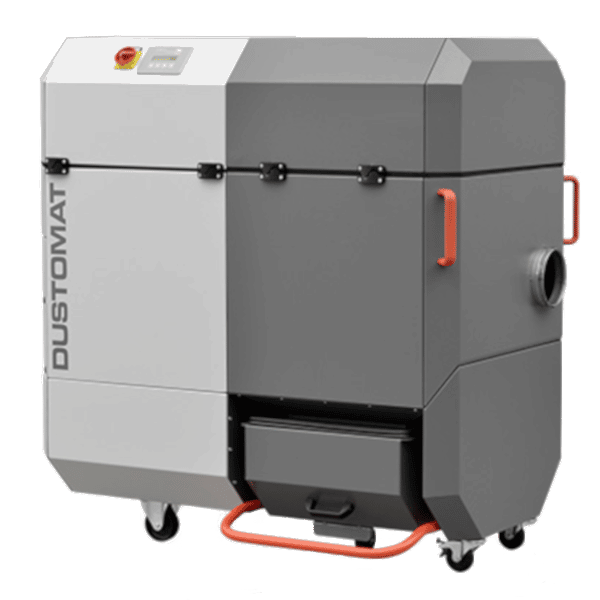
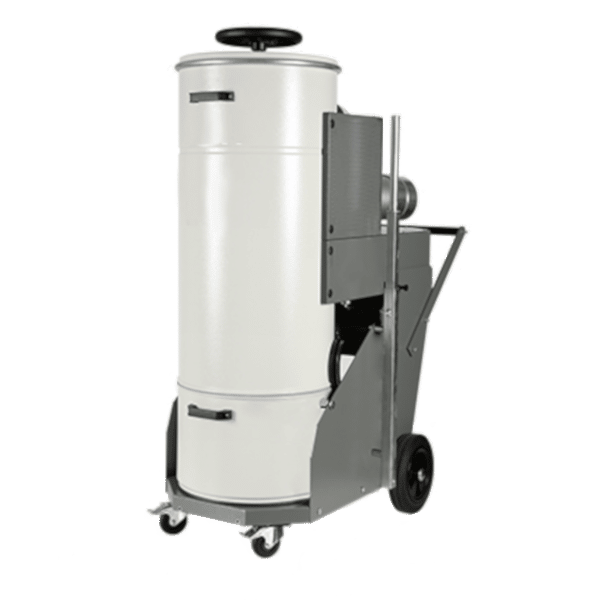
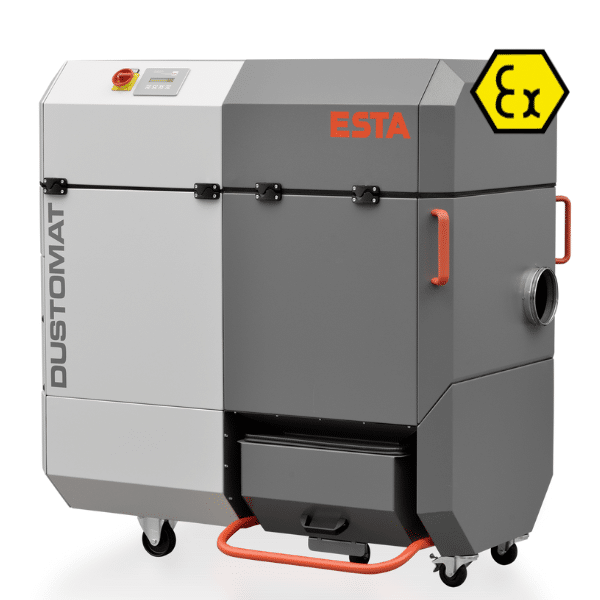
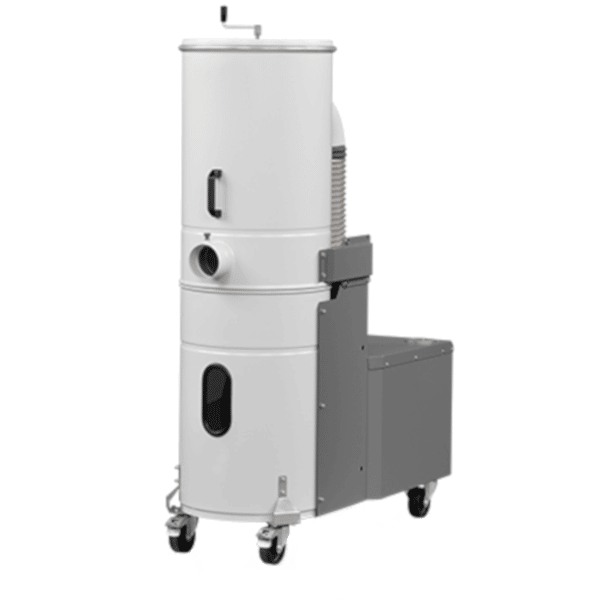
OberA has just supplied a chocolate maker with a DUSTOMAT 16M atex dust collector with source capture, and a complementary ePur30 air purifier with ambient capture. The aim was to extract organic dust when handling bags of milk powder, sugar and cocoa. But also during the mixing operation and the passage over a cutter, which rejects dust when it crushes the ingredients. The installation of these devices has enabled us to protect the operator and avoid an Atex zone.
Sommaire
What you need to know about organic dust
Organic dusts are just as flammable as metallic dusts. To minimize the risk of serious or fatal exposure, it is necessary to raise operator awareness and obtain equipment capable of capturing and properly disposing of these dusts.
Organic dusts are common in the food industry. The danger of this is that it is not only hazardous to health, but also combustible. According to a study by AGCS Allianz, the agri-food sector is the second most affected industrial sector by organic dust explosions, more precisely 21 explosions took place between 2006 and 2017.
What is organic dust?
Organic dusts are mixtures of plant dusts in varying proportions. These are dusts from animal and agricultural sources. These dusts are often found in high concentrations in closed rooms and enclosed spaces, such as warehouses, workshops, industry, etc. The most common organic dusts are: all types of flour, cocoa, sugar, powdered milk, corn or potato starch and rice.
The sectors of activity where operators come into contact with organic dusts are as follows:
- Millers, semolina makers, cookie makers, biscotti makers and bakers
- Brewers and maltsters
- Sugar bowls
- Food industry
What are the dangers of these dusts?
Source of respiratory problems
Depending on the quantity and nature of the organic dust, inhalation can be hazardous to health. Airborne organic dusts are easily inhaled and lodge in the nasal mucosa. Some very fine particles pass through the nasal cavity and travel through the respiratory system. They can cause serious injury to operators, including irritation (respiratory discomfort, sinusitis, rhinitis, coughing) and allergies (eczema, asthma).
Source of explosion
Organic dusts are also a source of explosion, as they are considered combustible. At low humidity levels, all organic dusts can ignite and explode. If the particles reach the right size or form the right concentration of dust, they can burn and explode.
When handling bags of ingredients, dust is released in very large quantities. Dust circulates in the air and can settle and accumulate on surfaces such as ceilings, ducts, crevices and industrial equipment, including engines or heated surfaces. All it takes is a source of heat or a spark for the dust to ignite and explode.
How do you assess risk?
It’s essential to take several aspects into account, in order to assess the risks and avoid any dangers.
Identify and assess risk factors
- The nature of organic dusts, with reference to safety data sheets (SDS)
- Operator workstations
- Operator exposure levels
- Operator exposure time
Install a dust collection system
- ATEX-compliant extraction/capture at source
- General ventilation/purification of premises
- Plant upkeep and maintenance
- Change filters regularly
Avoid the following
- Air currents for dust displacement
- Dry sweeping
- Using blowguns